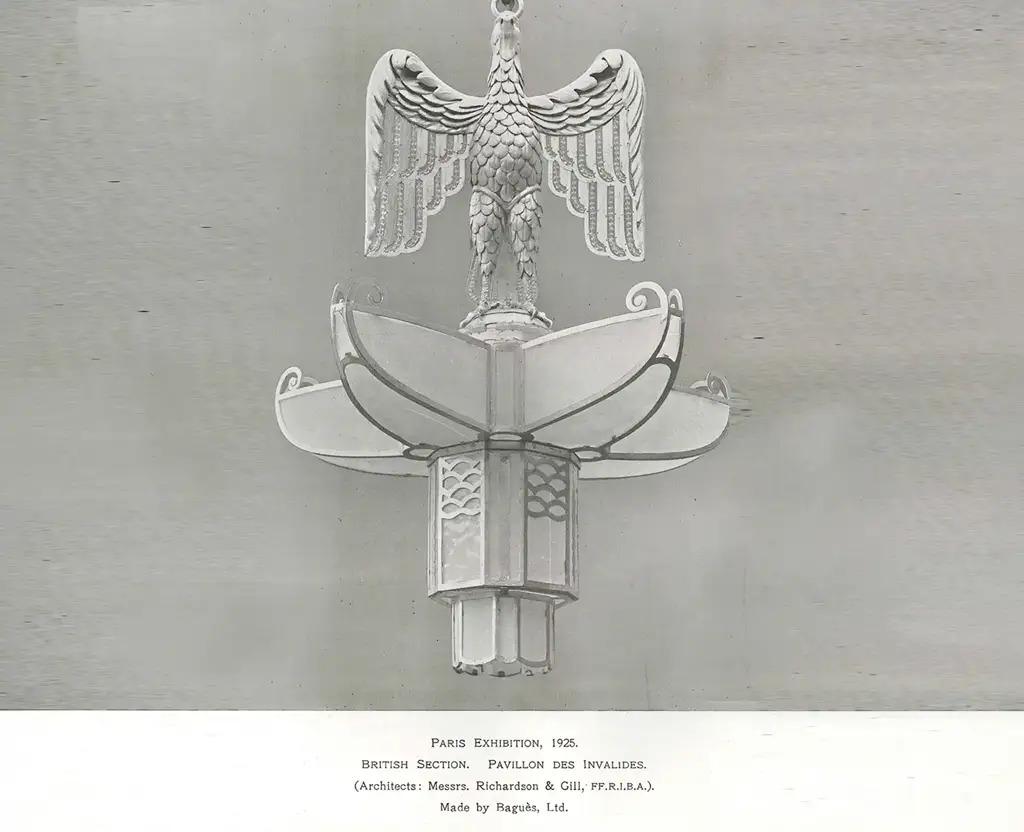
Originally devoted to the making of liturgical bronzes, the Baguès family turned in the 1860s to the art of lighting bronzes, a field in which it quickly became a benchmark. At the turn of the 20th century, its chandeliers lit up London, New York and Cairo. In the 1920s, Armand-Albert Rateau — then designing the interiors of Jeanne Lanvin — was among its most illustrious clients, alongside the Maison’s own creations, driven by Victor and Robert Baguès, who designed their own models. From Versailles to Vaux-le-Vicomte, from the Ritz to the Prince de Galles, its collections of yesterday and today carry on the prestige of the Maison.
1888

The origins of art lighting

Based at 31 rue des Francs-Bourgeois in Paris, Maison Eugène Baguès became a pioneer by combining its art lighting with private electrical systems for Parisian mansions.

1905

The Baguès Brothers

Victor and Robert Baguès succeeded their father and founded Baguès Frères, a house specialising in bronze and iron lighting, locksmithing, metal frameworks and electrical installations.

1910

Opening on Fifth Avenue

Building on its success in London, Brussels and Rome, the house crossed the Atlantic and opened its branch and showrooms on New York’s legendary Fifth Avenue.

1912

The Société Générale headquarters

For the inauguration of the dome on boulevard Haussmann, architect Jacques Hermant entrusted the Maison with creating the great bronze and crystal chandeliers of the Council Room.

1913

The Théâtre des Champs-Élysées

For this masterpiece by Auguste and Gustave Perret, Maison Baguès created the central glass ceiling chandelier as well as the wrought-iron railings, balustrades and banisters

1924

The Musée de la Légion d’Honneur

During the museum’s refurbishment in Paris, Maison Baguès crafted the great wrought-iron gate with spear motifs and the ironwork of the vestibule windows.

1925

The International Exhibition of Decorative Arts

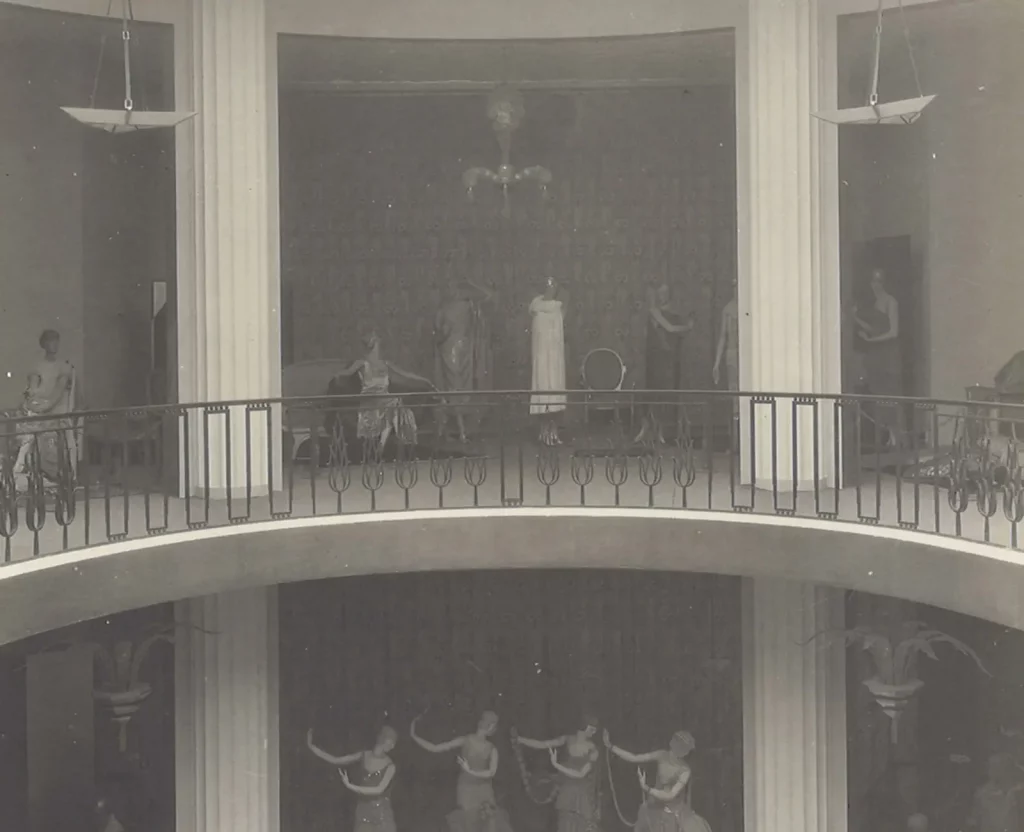
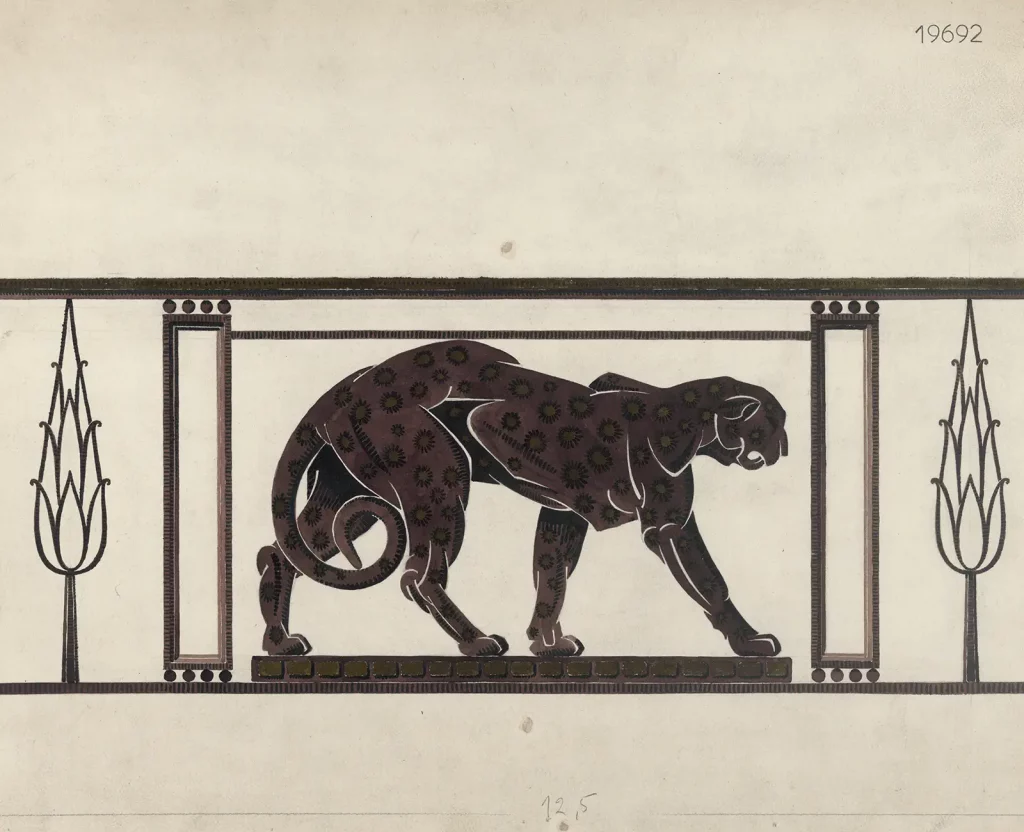
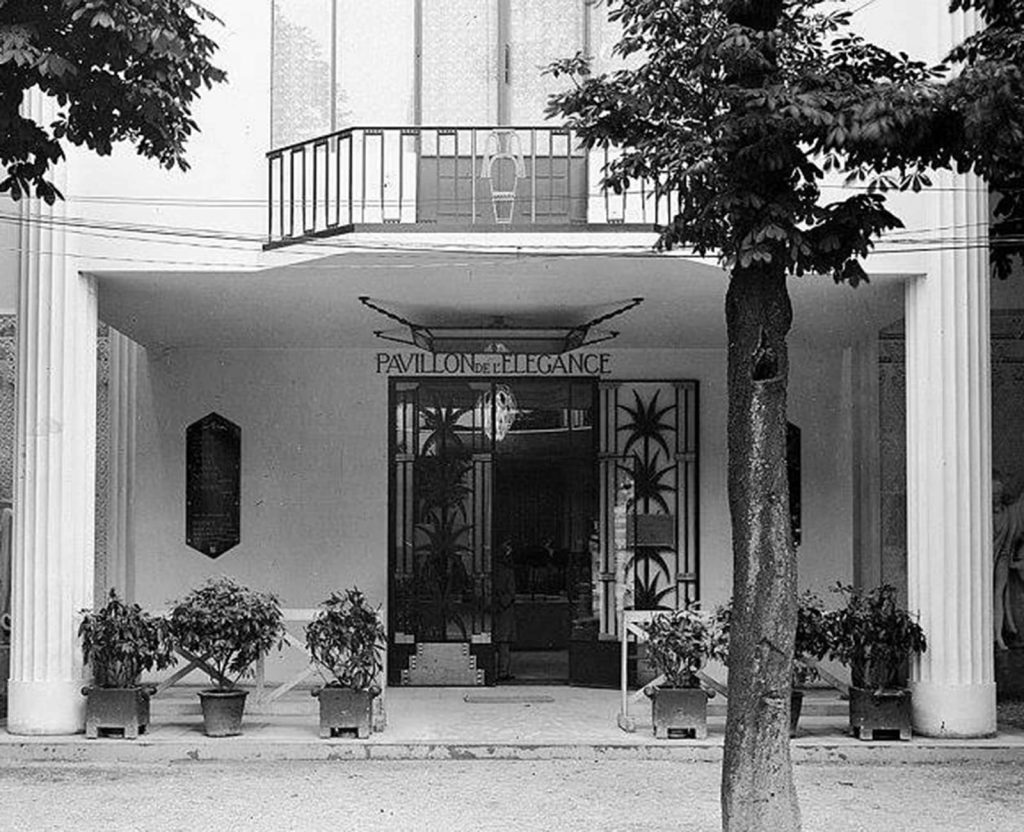
Baguès Frères created the circular balustrade of the Pavillon de l’Élégance at the International Exhibition of Modern Decorative and Industrial Arts in Paris.

1926

The Citroën showroom in London

For the Piccadilly gallery designed by Carrère & Hastings, Baguès Ltd designed pendant lights with alabaster bowls mounted on metal, and wall sconces suited to the vaulted architecture.

1927

Park Lane Hotel ballroom

Working with architects Henry Tanner and Richard Adkin, Baguès created the gilded wrought-iron entrance gate topped with a Pegasus bas-relief, and the wall sconces of this legendary venue.

1931

The Wedgwood wall sconces of the Plaza Athénée

For the entrance hall of the palace hotel on avenue Montaigne, Maison Baguès created gilded metal wall sconces set with Wedgwood plaques, in the Regency and Louis XVI spirit.

1936

The legendary Bar at the Ritz Paris

During the modernisation of the bar on place Vendôme, under the direction of architect Charles Mewès, Baguès installed wall sconces in gilded metal and rock crystal.

1950

The great restoration
of the Palace of Versailles

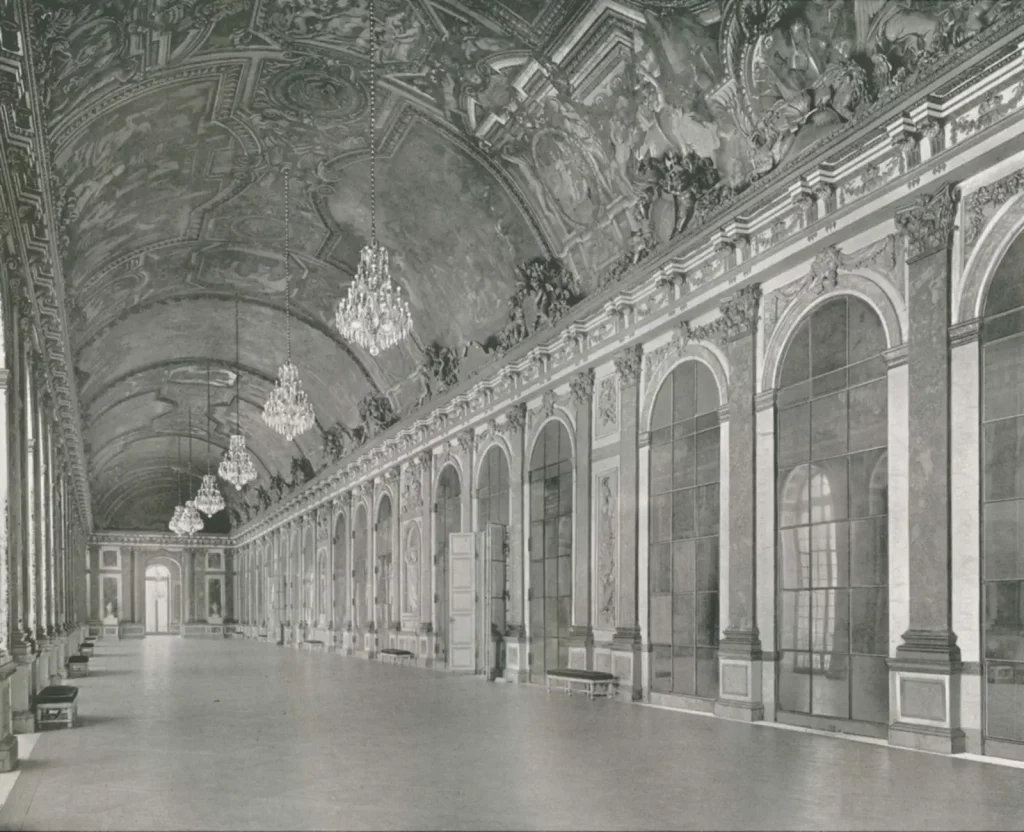
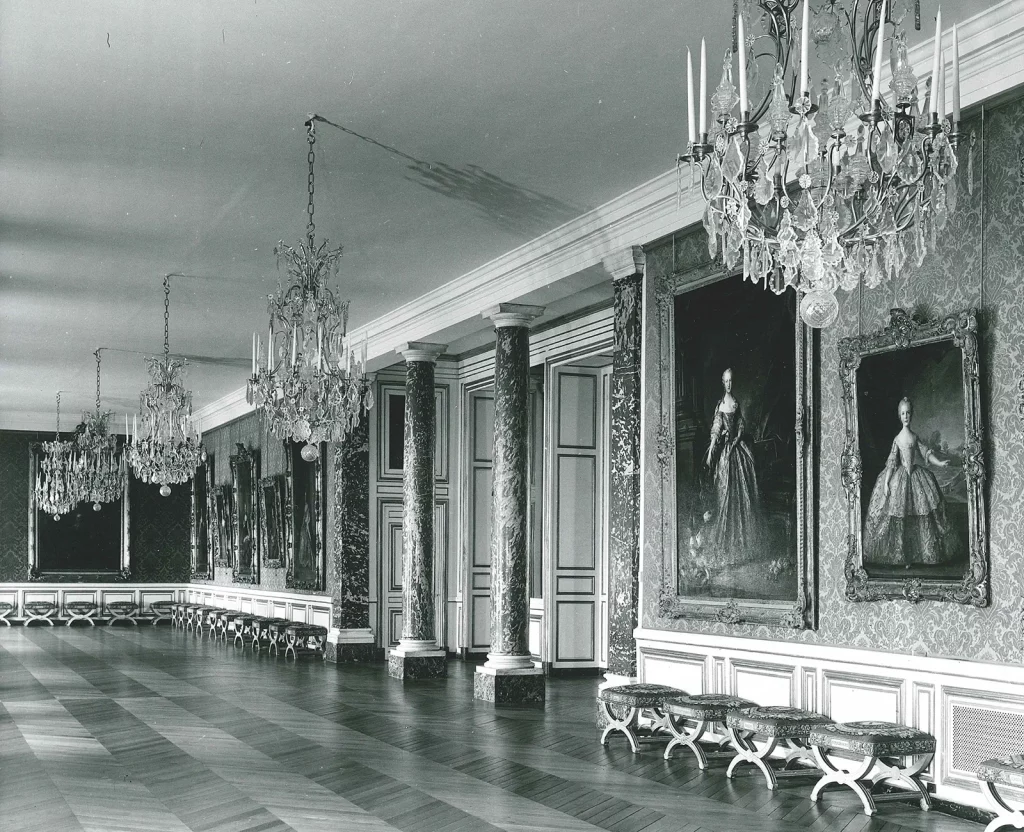
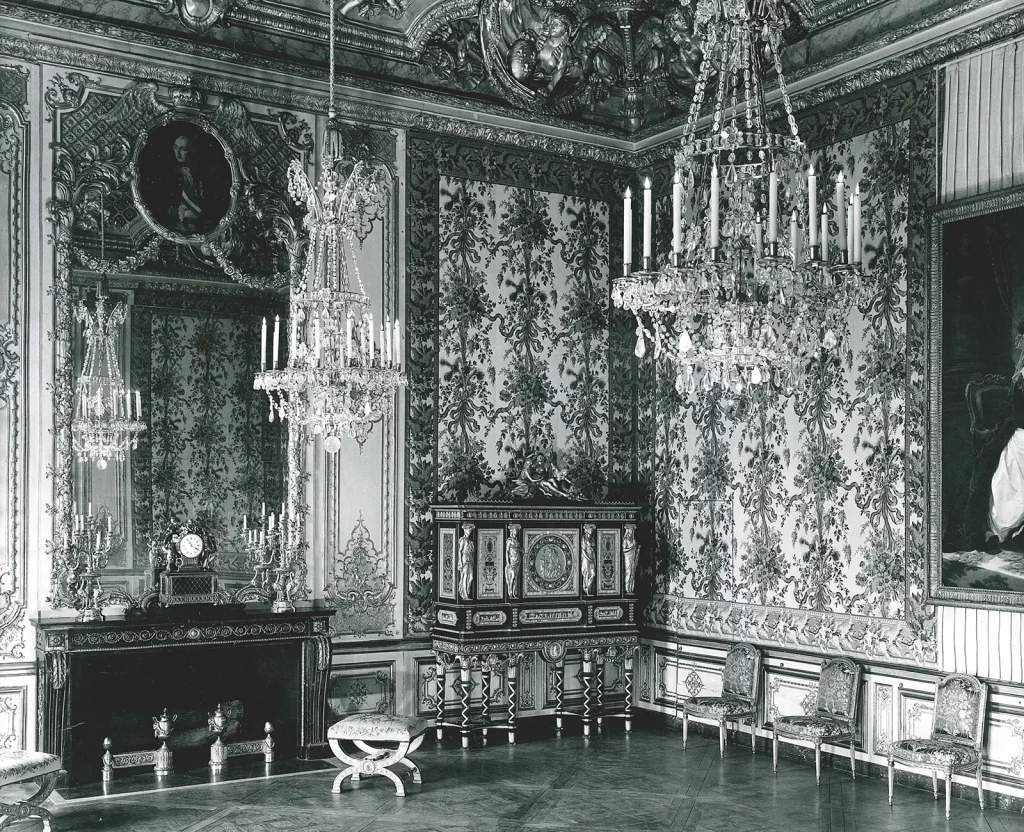
Under the aegis of curator Gérald Van der Kemp, Maison Baguès restored the crystal and bronze lighting of the Queen’s Bedchamber, the Hall of Mirrors and the Grand Trianon.

1956

The Hôtel de Chanaleilles in Paris

For shipowner and collector Stavros Niarchos, and under the direction of architect Emilio Terry, Baguès created pairs of ceremonial chandeliers in rock crystal and chased bronze to light the grand salon and the gilded gallery

1958

The modernisation of Fouquet’s restaurant

Interior designer Jean Royère entrusted Maison Baguès with the lighting of the Champs-Élysées restaurant: branched chandeliers with lampshades and matching wall sconces.

2007

Awarded the
Living Heritage Company label

Maison Baguès received this state distinction, which recognises the excellence of its craft techniques, the rarity of its expertise and its contribution to French fine crafts.

2018

Joining the Ateliers de France group

Maison Baguès joined the Ateliers de France group, which carries on its exceptional expertise and gives its craft heritage new momentum.